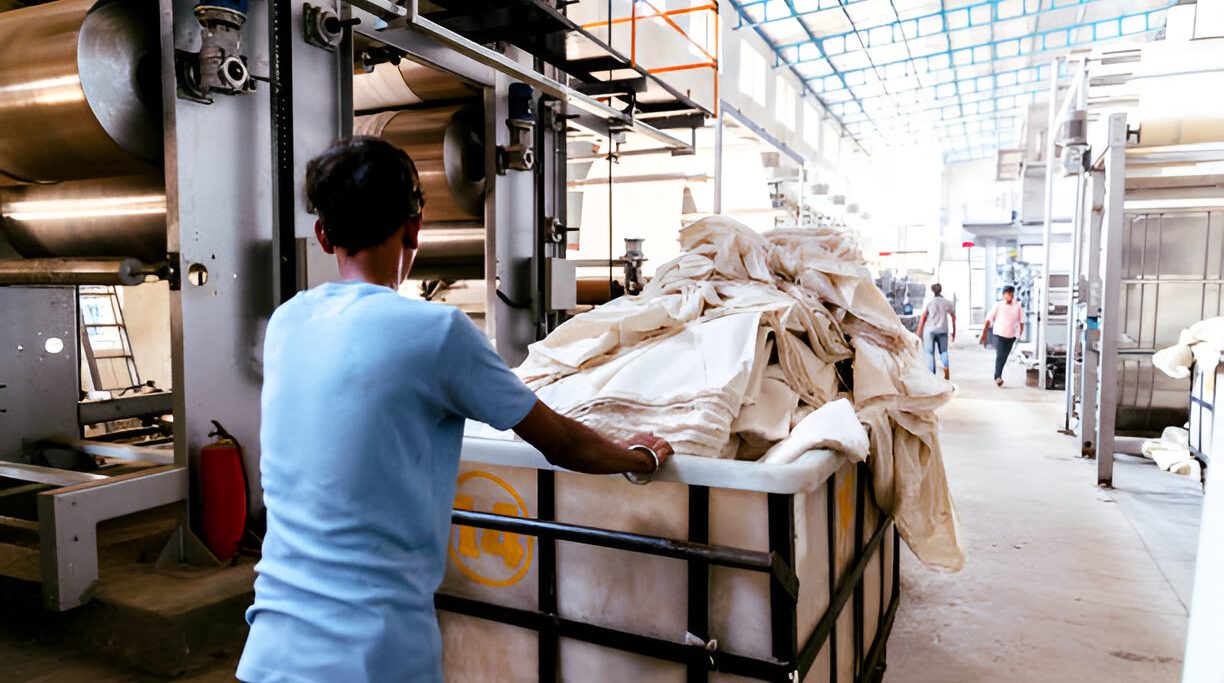

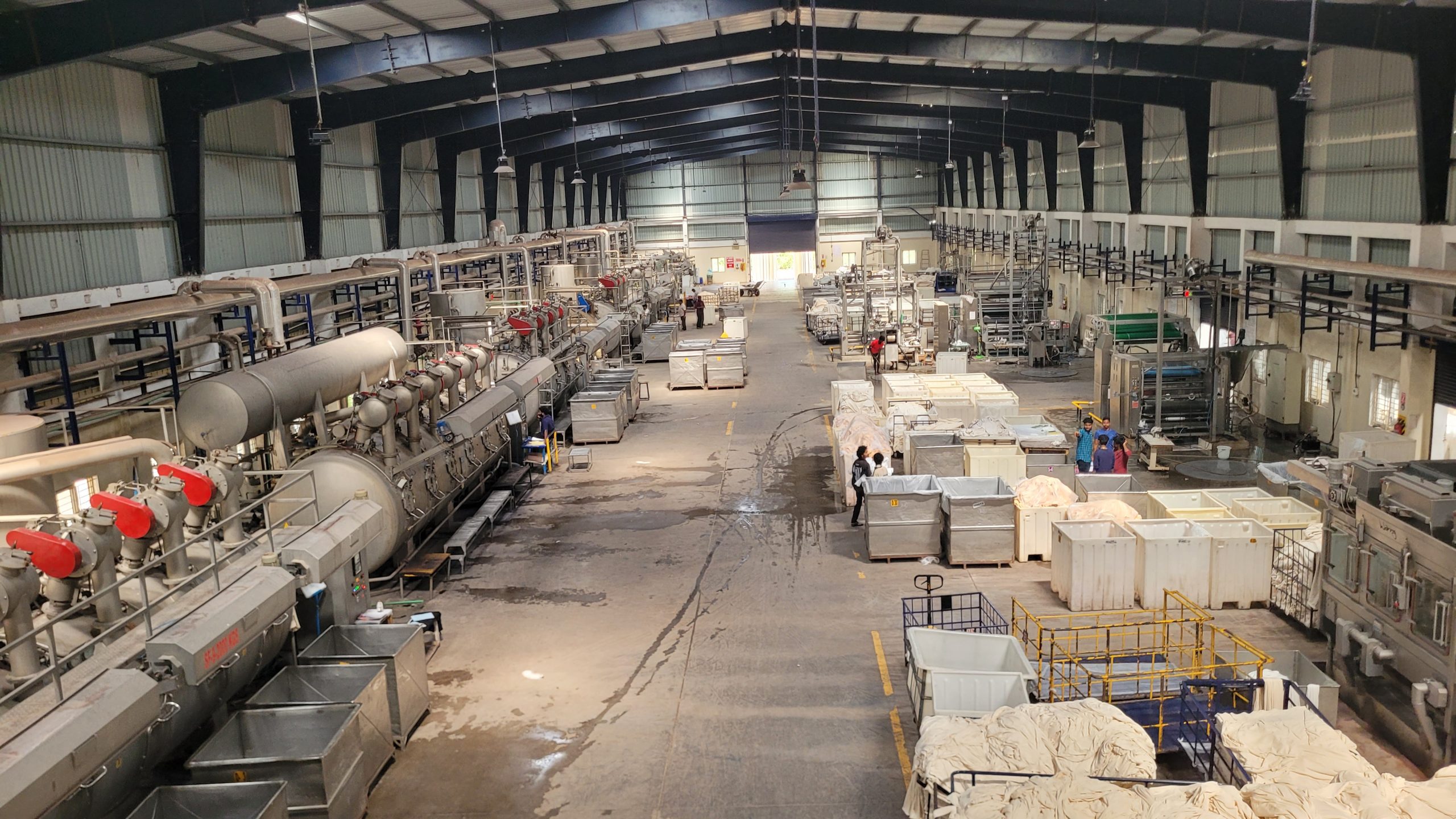
In the competitive landscape of fashion, the “hand-feel” and “visual depth” of a garment are often what separate a premium brand from a budget label. While many designers focus on the cut and the fabric weight, the secret to a truly high-end product often lies in the dye house.
If you’ve ever wondered why some garments maintain a rich, vibrant hue for years while others look “washed out” after one cycle, the answer is often Double Dyeing.
What is Double Dyeing?
At its core, Double Dyeing is a specialized textile process where a fabric or finished garment undergoes two separate dyeing cycles.
While standard dyeing involves a single immersion in a dye bath, double dyeing is used when a single bath is chemically incapable of coloring all the fibers in a fabric or when a specific aesthetic “depth” is required.
The Science Behind the Process
Different fibers have different chemical affinities. For example:
Cellulosic fibers (Cotton, Linen) require reactive or direct dyes.
Synthetic fibers (Polyester, Nylon) require disperse dyes.
When you have a blend—like the classic 60% Cotton / 40% Polyester hoodie—a single dye bath will only “take” to one of those fibers, leaving the other its original raw color. Double dyeing solves this by treating each fiber group in its own dedicated stage.
Which Fabrics Should Be Double Dyed?
Not every fabric requires this level of labor, but for specific blends, it is non-negotiable if you want a professional finish.
1. Polycotton Blends (The Industry Standard)
This is the most common candidate. If you want a solid-colored T-shirt made of a cotton-poly blend, you must double dye. If you only dye the cotton, the polyester fibers will remain white, resulting in a “heathered” or “melange” look. Double dyeing ensures a solid, uniform color.
2. Spandex/Elastane Blends
High-performance leggings or fitted tees often contain significant Spandex. To ensure the color doesn’t “grin through” (where the white elastic shows when the fabric stretches), double dyeing helps saturate the synthetic core.
3. Nylon-Silk or Rayon-Acetate Blends
These high-end blends are often used for “Cross Dyeing.” By using different colors in each dye stage, manufacturers can create iridescent or two-tone effects that shift color as the wearer moves.
Why is Double Dyeing Important? (The Benefits)
1. Unmatched Color Depth
Double dyeing creates a saturation level that single dyeing cannot replicate. It gives the fabric a “soul”—a richness that reflects light more beautifully.
2. Maximum Colorfastness
Because each fiber is treated with the specific chemical dye it was designed for, the bond is much stronger. This means:
Less bleeding in the wash.
Higher resistance to UV fading.
Longer garment lifespan.
3. Eliminating “Frosting”
Have you ever seen a black shirt that looks like it has a white “dust” over it? That’s often caused by undyed synthetic fibers reflecting light. Double dyeing eliminates this “frosting” effect, ensuring a deep, true black or navy.
The Production Reality: Time, Cost, and Sustainability
As a manufacturer, we believe in transparency. Double dyeing is a premium service for a reason.
Cost: It generally costs 1.5x to 2x more than single dyeing because it uses double the water, double the energy, and double the labor.
Lead Times: It adds roughly 48–72 hours to the production cycle to allow for the second bath and subsequent drying.
Sustainability: At Cotton Monk, we mitigate the environmental impact by using closed-loop water systems and eco-certified dyes, ensuring that “double the dye” doesn’t mean “double the waste.”
How to Check if Your Manufacturer is Doing it Right
If you’re paying for double dyeing, you should verify the results. Here’s what to look for:
The Stretch Test: Stretch the fabric to its limit. If you see white “veins” or “shiny” undyed threads, it hasn’t been double dyed.
The Inside-Out Inspection: Look at the seams. In single-dyed polycotton, the polyester stitching or inner fibers will often look lighter than the face of the fabric.
Is it Right for Your Brand?
If you are competing on price alone, single dyeing is your path. But if you are building a brand based on quality, longevity, and premium aesthetics, double dyeing is one of the best investments you can make in your supply chain.
At Cotton Monk, we specialize in helping brands navigate these technical choices. We don’t just make clothes; we engineer textiles that last.