The global climate is shifting, and with it, so is the way we dress. The strengthening 2026–27 El Niño has brought a formidable challenge: it releases vast amounts of ocean heat into the atmosphere, increasing global temperatures and driving more frequent, intense heatwaves across every inhabited continent.
With the mercury rising, a silent but massive shift is happening in consumer wardrobes. The shiny, synthetic activewear and fast-fashion polyester garments that dominated the last decade are suddenly feeling a lot less comfortable. Instead, consumers are turning back to the original king of breathable apparel: cotton.
Here is a look at why rising global temperatures are changing consumer demand from an end-use perspective, and what it means for the future of apparel manufacturing.
The Problem with Synthetics in a Heatwave
Synthetic fabrics like polyester, nylon, and acrylic are essentially plastics. While they are cheap to produce and can be engineered to wick moisture, they have a fundamental flaw when subjected to intense, stagnant heat: they do not breathe naturally.
When a consumer wears a synthetic shirt during a severe heatwave, the fabric can trap heat against the skin. Worse, synthetics are notorious for retaining body odors, requiring more frequent, aggressive washing. In a world where abnormal heat and drought are becoming the summer norm, wearing plastic-based clothing quickly becomes an uncomfortable, sticky experience.
Why Consumers are Flocking Back to Cotton
As temperatures soar, the demand for natural, breathable fibers is surging. Cotton is inherently structured to keep the body cool, making it the fabric of choice for a warming planet.
Maximum Breathability: Cotton’s natural cellular structure allows air to circulate freely through the fabric, allowing body heat to dissipate rather than trapping it.
Moisture Absorption: Unlike synthetics that push sweat around, cotton naturally absorbs moisture away from the skin, facilitating evaporative cooling.
Hypoallergenic Comfort: As heat increases skin sensitivity and the likelihood of heat rashes, cotton provides a soft, non-irritating barrier that synthetic fibers simply cannot match.
Whether it is a breezy cotton-linen blend for a summer evening or a lightweight 100% organic cotton t-shirt for daily wear, natural fibers are no longer just a luxury—they are a climate necessity.
The Manufacturing Challenge: Securing Cotton in an El Niño Year
While consumer demand for cotton is rising due to the heat, the very same climate phenomenon driving that heat is making cotton harder to source. El Niño triggers a cascade of weather extremes, translating directly into uncertainty at the agricultural sourcing level.
Erratic weather events, such as droughts or excessive rainfall in major cotton-growing belts, can damage crops and create gaps between global demand and actual supply. Reduced yields can tighten availability and push up raw material costs along the entire textile supply chain.
This is where the difference between a standard factory and a strategic manufacturing partner becomes critical.
How Cotton Monk Navigates the Climate Shift
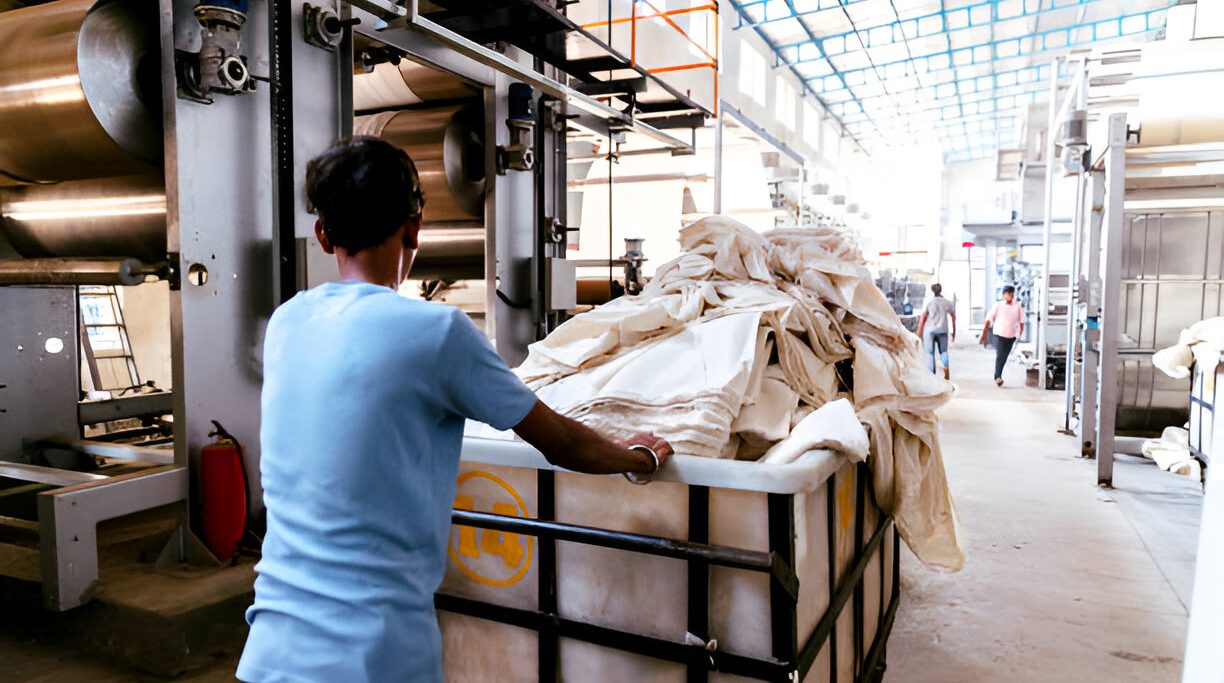
At Cotton Monk, we understand that manufacturing breathable, high-quality cotton garments requires resilient sourcing and precision engineering. As consumers demand better, more comfortable clothing to weather the heat, we ensure our brand partners can deliver.
Strategic Sourcing: By maintaining a diversified supply base and increased inventory buffering, we navigate the climate volatility of El Niño to secure premium, long-staple cotton for our clients.
Sustainable Processing: Cotton processing requires water, a resource heavily strained during El Niño droughts. We utilize advanced Zero Liquid Discharge (ZLD) dyeing processes, meaning we purify and reuse 100% of our wastewater, ensuring continuous production without straining local water supplies.
Engineered for Longevity: We rigorously compact and pre-shrink our cotton knits, ensuring that the breathable summer garments we produce maintain their shape and comfort wash after wash.
As the planet warms, the apparel industry must adapt not only to how clothes are made but to what consumers actually want to wear. The shift back to breathable, natural cotton is well underway. If your brand is ready to meet this demand with precision-manufactured, sustainable apparel, Cotton Monk is built to deliver, no matter the weather.