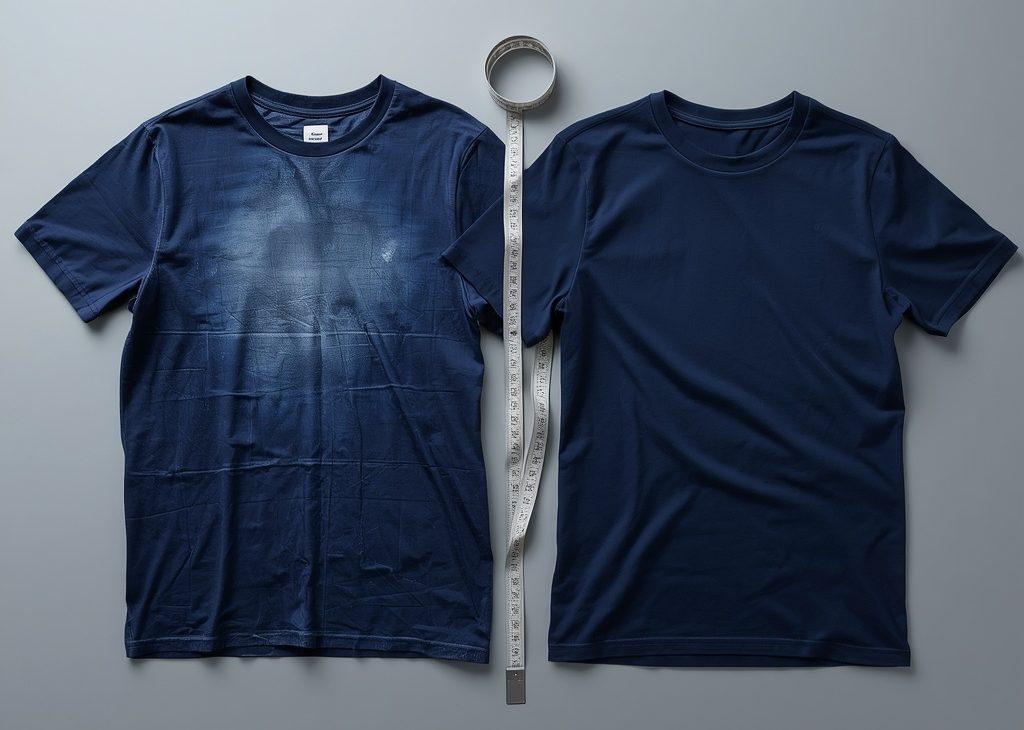
Every fashion founder knows the thrill of a sold-out collection. But what happens two weeks later when the customer washes their new favorite t-shirt for the first time?
If that shirt shrinks two sizes or the dye bleeds onto their other clothes, the initial thrill of the sale instantly turns into a brand nightmare. The customer demands a refund, leaves a one-star review, and vows never to buy from your brand again.
When sourcing apparel, the allure of the “lowest cost per unit” is tempting. However, rock-bottom manufacturing prices are rarely the result of miraculous efficiency. They are almost always the result of skipped steps in clothing manufacturer quality control.
Here is the factory-level reality of why fabric shrinkage and color bleeding happen, the true cost of these defects, and how premium manufacturers prevent them.
1. The Fabric Shrinkage Epidemic: Why It Happens
Cotton is a natural fiber. During the spinning and knitting process, yarn is placed under immense tension. When a customer washes and dries that garment, the fibers relax and try to return to their natural state, resulting in shrinkage.
In premium apparel manufacturing, this is a solved problem. But in “cheap” manufacturing, it is where corners are cut to save pennies.
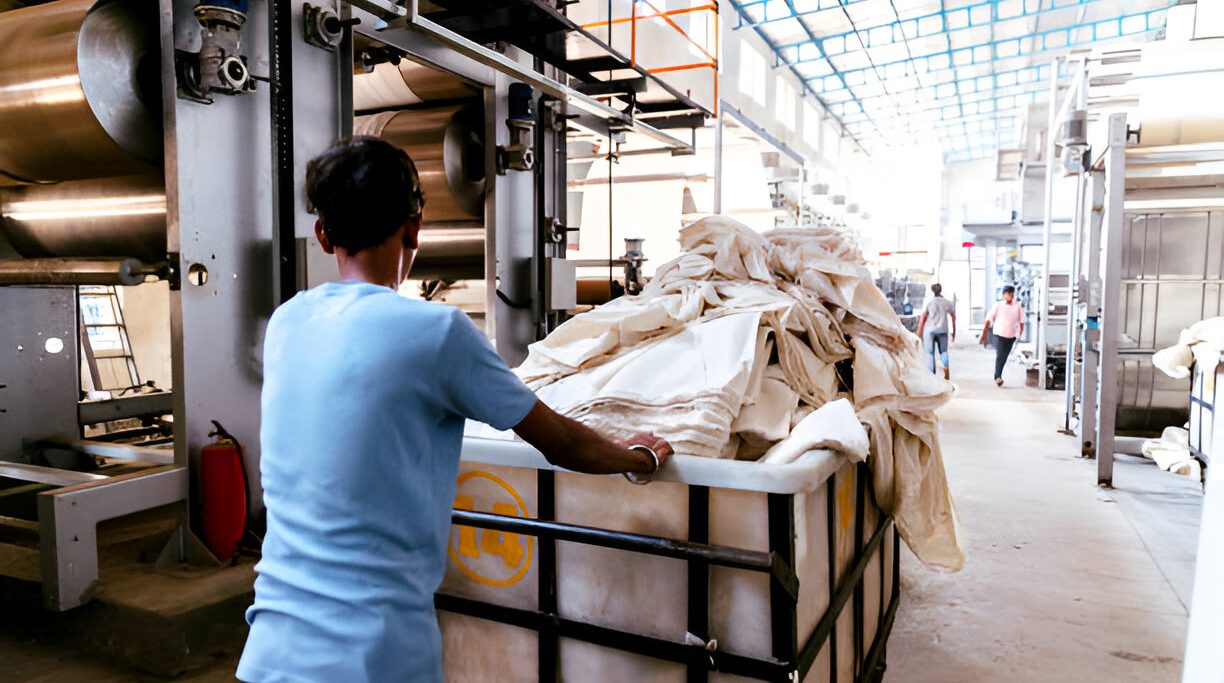
The Corner-Cutting Reality: To prevent a garment from shrinking after the consumer buys it, the fabric must undergo a process called compacting. A compacting machine uses steam and mechanical pressure to pre-shrink the fabric before it is ever cut and sewn.
The Cheap Way: Budget factories skip the compacting phase entirely, or run the machines at maximum speed, preventing the fabric from fully relaxing. They use less fabric per garment, saving them money, but guaranteeing the shirt will warp and shrink drastically after the first home wash.
The Premium Way: As a trusted pre-shrunk cotton fabric supplier, reputable factories invest the time and energy to properly compact the fabric. They accept that it requires using more raw fabric to yield the same amount of garments, prioritizing long-term fit over short-term savings.
2. The Color Bleeding Catastrophe: The Science of Colorfastness
There is nothing quite as damaging to brand equity as a customer ruining a whole load of laundry because your garment bled dye in the washing machine. This issue comes down to a technical metric called colorfastness—the resistance of a material to change its color characteristics or transfer its color to adjacent materials.
The Corner-Cutting Reality: Dyeing fabric is a resource-intensive process involving heat, chemicals, and massive amounts of water.
The Cheap Way: To cut costs, budget factories use lower-grade commercial dyes and, more importantly, skip the crucial wash-off cycles. After fabric is dyed, it must be washed multiple times to remove excess, unfixed dye. Budget factories skip these final washes to save water and energy. The result? The customer’s washing machine does the final wash-off, ruining their other clothes.
The Premium Way: Premium manufacturers use high-quality reactive dyes that form a chemical bond with the cotton fibers. Furthermore, they conduct rigorous lab testing—such as the ISO 105-C06 wash test and crocking (rubbing) tests—to ensure absolute colorfastness before the fabric ever reaches the cutting table.
3. Calculating the True Cost of “Cheap” Sourcing
When you choose a manufacturer based solely on the lowest quote, the savings are an illusion. The hidden costs of poor garment quality assurance will ultimately erode your profit margins and brand equity.
Let’s look at the real math of a defective garment:
The Direct Loss: You have to refund the customer, losing the revenue and the cost of the goods.
The Logistics Cost: You pay for return shipping and the administrative time to process the complaint.
The Lifetime Value (LTV) Loss: A happy customer might buy from you 5 times over three years. A customer who experiences severe shrinkage will never return. You haven’t just lost one sale; you’ve lost years of recurring revenue.
The Brand Equity Damage: In the era of TikTok and Instagram, negative reviews spread rapidly. A reputation for poor quality is incredibly expensive, if not impossible, to reverse.
4. The Cotton Monk Approach: Precision Quality Control
At Cotton Monk, we understand that your brand’s reputation is stitched into every garment we produce in our Tirupur facilities. We do not compete in a race to the bottom on price because we refuse to compromise on the engineering steps that guarantee longevity.
Advanced Compacting: Every knit we produce undergoes rigorous compaction and relaxation processes to ensure shrinkage is kept strictly within premium global tolerances (typically under 3-5%).
Zero Liquid Discharge (ZLD) Dyeing: We achieve brilliant, colorfast hues without the environmental guilt. Our dyeing partners utilize advanced ZLD technology, meaning we run the necessary wash-off cycles to guarantee colorfastness, while 100% of the wastewater is purified and reused.
In-House Testing: We don’t guess; we verify. Our quality control teams test for pilling, shrinkage, GSM consistency, and colorfastness before mass production begins.
Protect Your Brand Equity
A tech pack and a beautiful design mean nothing if the underlying fabric fails after a single wash. Sourcing cheap manufacturing is the fastest way to destroy the brand you have worked so hard to build.
Are you looking for a manufacturing partner who protects your brand equity as fiercely as you do? Contact Cotton Monk today to learn how our strict quality control processes can elevate your next collection.