
In apparel manufacturing, the blueprint of a garment is decided long before a single piece of fabric hits the cutting table. For a clothing brand founder or sourcing manager, the humble t-shirt represents the ultimate test of production strategy. While consumers look at graphics and colors, a manufacturer looks directly at the torso construction.
Every t-shirt falls into one of two fundamental manufacturing categories: Tubular or Side Seam.
The choice between these two structural styles dictates your production costs, your printing capabilities, your garment’s lifespan, and how it drapes on a retail rack. Here is an objective, factory-floor breakdown of what tubular and side seam t-shirts are, how they are made, and how to choose the right one for your collection.
What is a Tubular T-Shirt?
A tubular t-shirt is a garment constructed from a continuous tube of fabric. It features a completely seamless torso, meaning there are no vertical stitched seams running down the left and right sides of the wearer’s body.
The Manufacturing Process
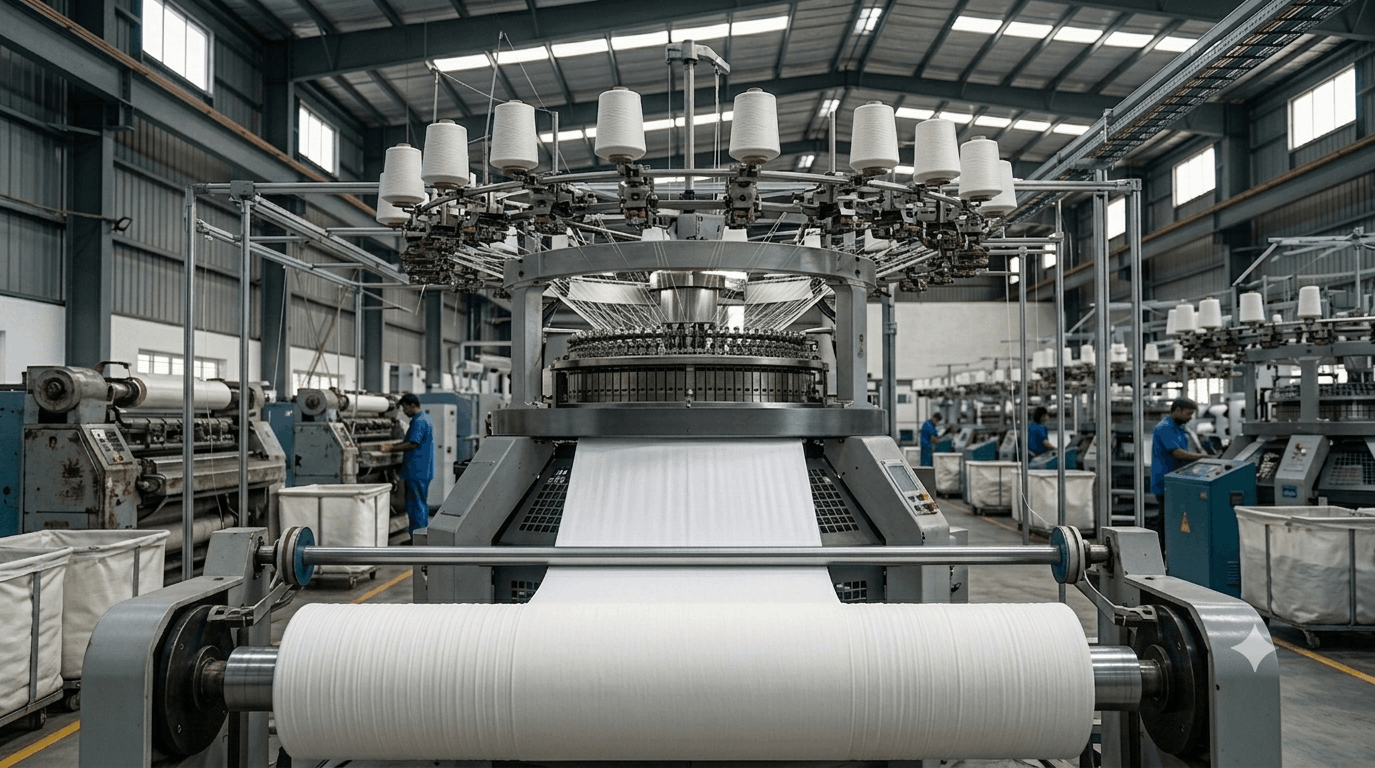
To produce a tubular shirt, the manufacturing journey begins at the knitting mill rather than the cutting room. We use specialized, highly calibrated circular knitting machines that are set to specific diameters—matching standard apparel sizes like Small, Medium, Large, and Extra Large.
The machine knits a seamless cylinder of fabric tailored to that exact body width. Once dyed and finished, this tube of fabric bypasses the traditional side-cutting process. The factory team simply cuts the length of the tube for the torso, cuts out the armholes and neck opening, and attaches the sleeves and collar.
What is a Side Seam T-Shirt?
A side seam t-shirt is the traditional, fully tailored standard of garment manufacturing. As the name implies, it features two distinct vertical seams running down the sides of the torso, joining the front panel and back panel of the shirt together.
The Manufacturing Process
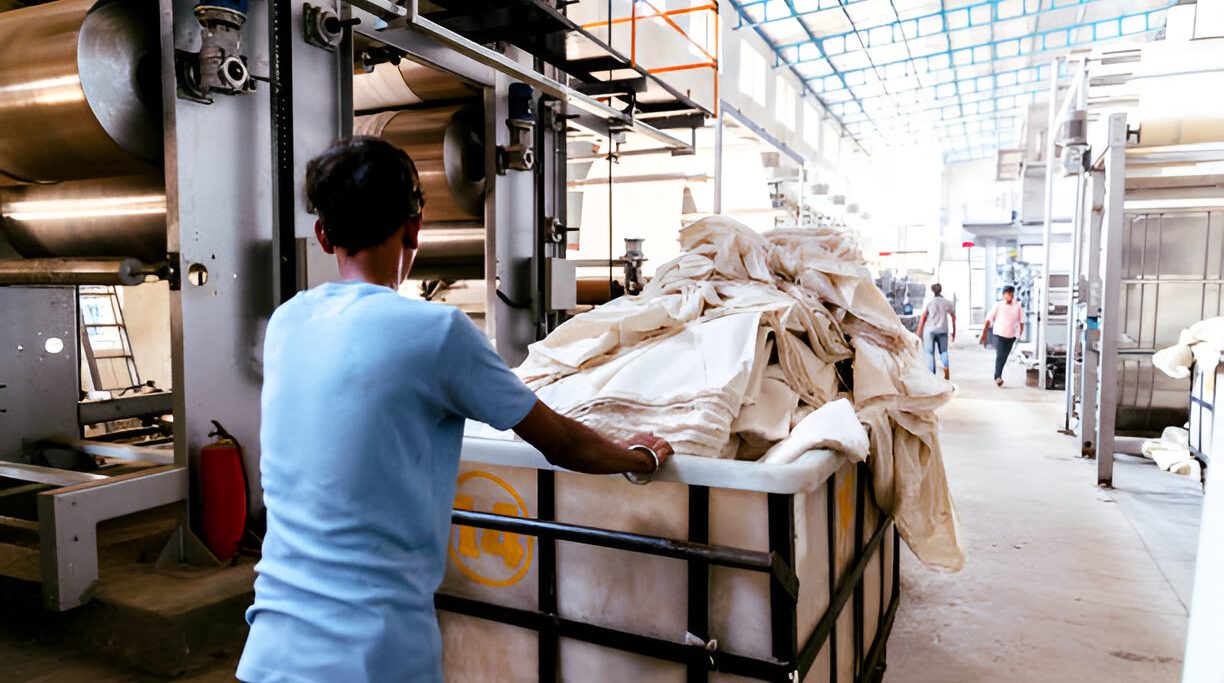
Unlike tubular production, side seam garments utilize flat, wide bolts of knitted fabric (open-width fabric). The factory lays out these wide fabric layers and uses automated laser or die cutters to slice individual front panels, back panels, sleeves, and collars based on a graded design pattern.
These separate panels are then fed down the assembly line, where operators use overlock and flatlock sewing machines to piece the front and back together, creating the final, structured torso.
The Core Differences: A Manufacturer’s Matrix
To optimize your supply chain and brand positioning, you must evaluate how these construction methods perform across key operational metrics.
1. Silhouette, Fit, and Drape
Side Seam: Because side seamed shirts are cut from individual panels, designers can create highly customized patterns. They can taper the waist, curve the chest, or create ergonomic modern cuts like athletic, slim, or tailored fashion fits. Side seam shirts naturally follow the human body’s three-dimensional geometry.
Tubular: Because they are cut from a rigid cylinder, tubular shirts have a distinctly straight, boxy, and generic drape. They do not contour to the body. This makes them the definitive choice for classic 90s-style streetwear, oversized fits, and traditional American heritage skatewear.
2. Fabric Waste and Production Efficiency
Tubular: This method is incredibly efficient for mass production. Because the fabric is already knitted to the size of the torso, cutting waste (the fabric scraps normally left over when cutting a curved side panel) is virtually eliminated. Fewer cutting steps and fewer sewing operations mean faster assembly lines and lower labor costs per unit.
Tubular: It forces the factory to hold separate inventory sizes of raw fabric tubes. If a brand suddenly wants to pivot its order from 10,000 Mediums to 10,000 Extra Larges, the factory cannot reuse the same fabric rolls; they must source an entirely different machine-diameter run.
Side Seam: While cutting flat panels creates more textile scraps (waste), it offers unmatched factory agility. A wide bolt of open-width fabric can be cut into any combination of sizes on demand, maximizing flexibility for customized batch ordering.
3. Printing Capabilities and Placement
Side Seam: The presence of side seams limits wrap-around graphics. Screen printing over a raised, stitched seam can cause ink build-up, misprints, and cracking.
Tubular: The seamless side real estate is a screen printer’s dream. Tubular shirts are essential if your brand features wrap-around graphics, massive oversized side prints, or seamless all-over sublimations.
4. The “Torque” Factor (Durability in the Wash)
Side Seam: The side seams act as structural anchors. When the garment undergoes the stress of home laundry cycles, the seams prevent the fabric from twisting out of shape.
Tubular: Tubular knits are highly susceptible to a phenomenon called “torquing” or fabric twist. If the tension on the circular knitting machine was slightly uneven, or if the grainline shifts after multiple washes, a tubular shirt will naturally twist. You have likely experienced this when a favorite t-shirt’s side alignment slowly rotates toward the belly button after five washes.
The Cotton Monk Perspective: Strategic Selection
At Cotton Monk, we don’t look at one construction style as superior to the other; we look at them as distinct strategic tools for your brand architecture.
If you are manufacturing a high-volume, cost-effective promotional line, or launching a classic, heavy-knit streetwear brand that relies on boxy silhouettes and wrap-around screen printing, Tubular production offers the perfect blend of aesthetic authenticity and manufacturing cost-efficiency.
Conversely, if you are scaling a contemporary fashion label, a premium athleisure brand, or a high-end retail line that demands a tailored drape, structured side seams, and maximum dimensional stability over time, Side Seam construction is worth the additional assembly investment. Our facility is fully equipped to handle both circular tubular sizing runs and high-precision panel-cut side seam assemblies, ensuring your fabric choice matches your brand’s physical identity perfectly.